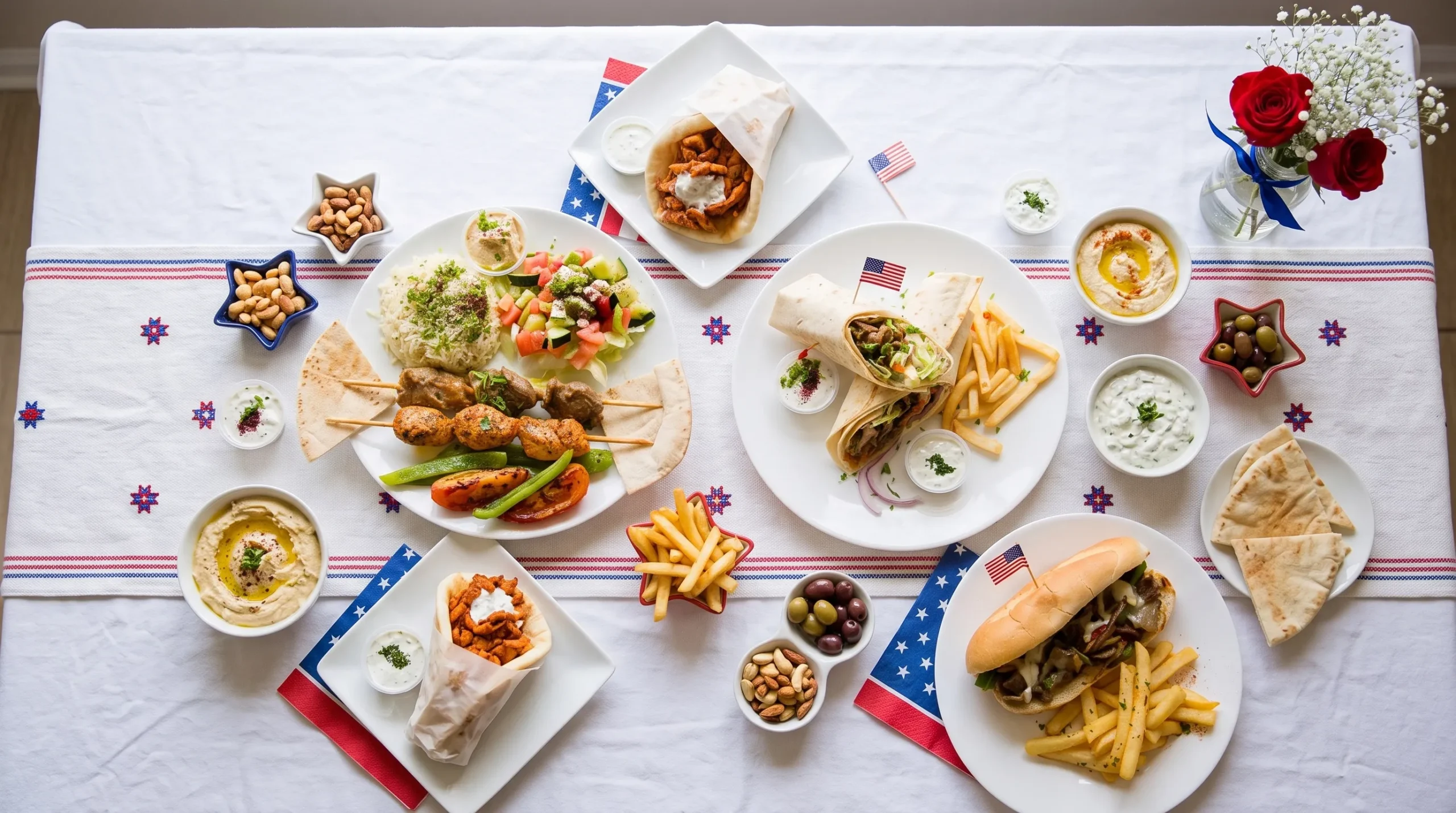
The Art of the Kabob Platter: What Makes It More Than Just Grilled Meat
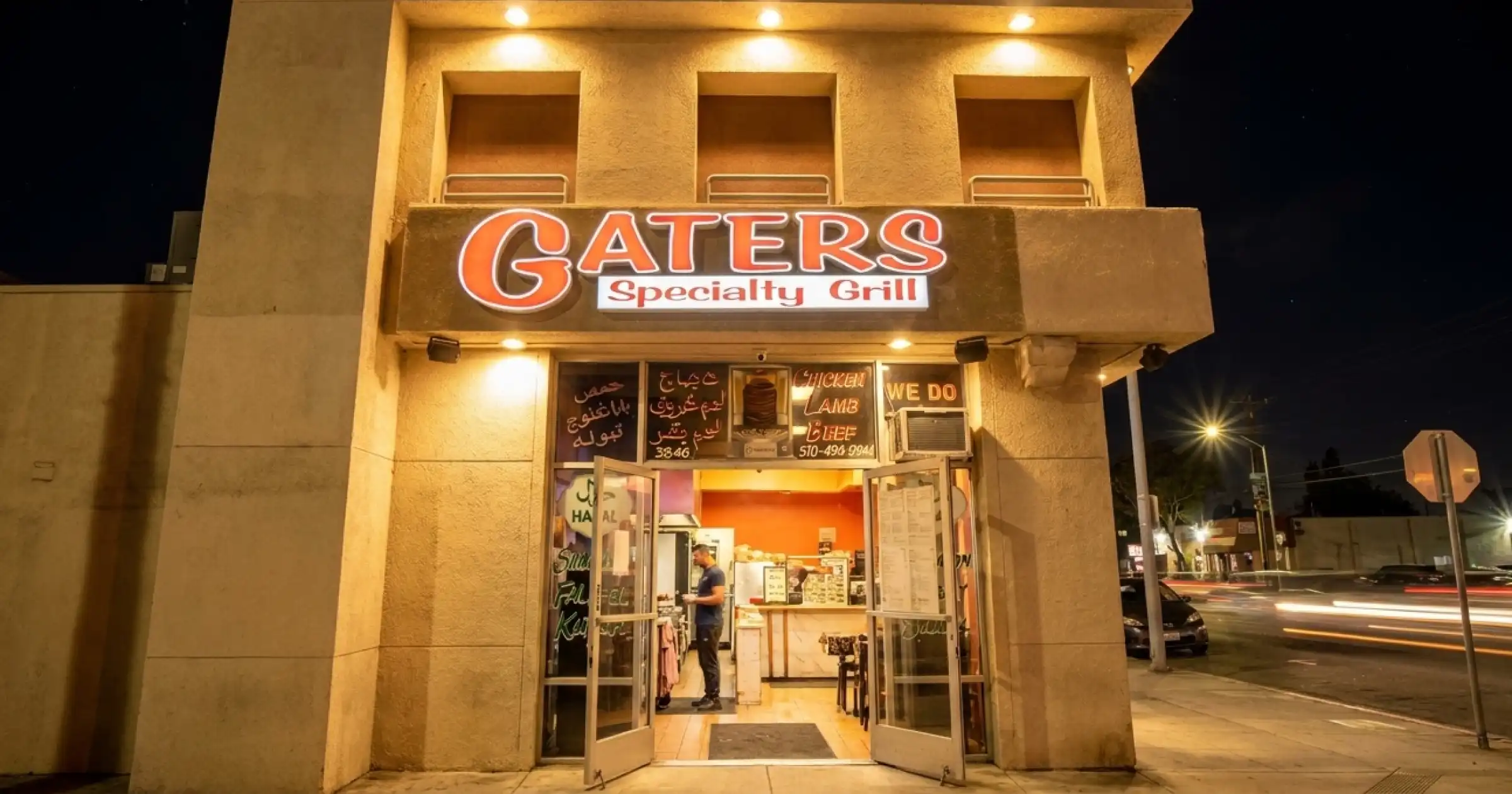
If you’ve driven past Gaters on Mowry Ave in Fremont and wondered what a “kabob platter” actually is, you’re not alone. The word kabob covers a wide spectrum — from street food skewers to elaborate restaurant presentations. At Gaters, Fremont’s original halal Mediterranean grill since 1994, the kabob platter is the centerpiece of the menu and the dish most regulars keep coming back for.
Here’s everything you need to know before you order.
What Exactly Is a Kabob?
The word “kabob” (also spelled kebab) refers to marinated meat — or sometimes vegetables — cooked over a live flame or charcoal grill. The tradition spans the entire Mediterranean and Middle Eastern world: Persian kabobs, Turkish kebabs, Lebanese mishwe, Afghan tikka. What unifies them is the principle of marination, high heat, and smoke.
At its core, a kabob is simple. But simplicity is deceiving. The difference between a mediocre kabob and a memorable one comes down to three variables:
1. The Marinade Marinades tenderize meat and build flavor from the inside out. A good Mediterranean marinade typically includes acids (lemon juice, yogurt), aromatics (garlic, onion), and spice blends that vary by regional tradition. The acid breaks down muscle fibers so the meat stays tender during high-heat grilling. Without proper marination time — often overnight — the result is dry and flat.
Gaters has been praised by reviewers specifically for its properly marinated meats. One diner noted it was “one of the best Mediterranean restaurants, with the meat properly marinated, unlike many competitors.” In a market crowded with fast-casual Mediterranean options, this consistency over three decades is the differentiator.
2. The Heat Kabobs need high, direct heat to develop char without drying out the interior. The crust you see on a properly grilled kabob — slightly darkened, fragrant with smoke — is the result of the Maillard reaction, the same chemical process that makes a seared steak taste better than a boiled one. Low-and-slow won’t produce this. The grill discipline at a restaurant that’s been doing this since 1994 shows.
3. The Cut and Preparation Different proteins need different treatment. Ground meat kabobs (kofta-style) require a precise fat ratio to stay moist on the skewer. Whole-muscle kabobs require the right cut — too lean and they dry out, too fatty and they flare up.
What Comes With a Kabob Platter at Gaters?
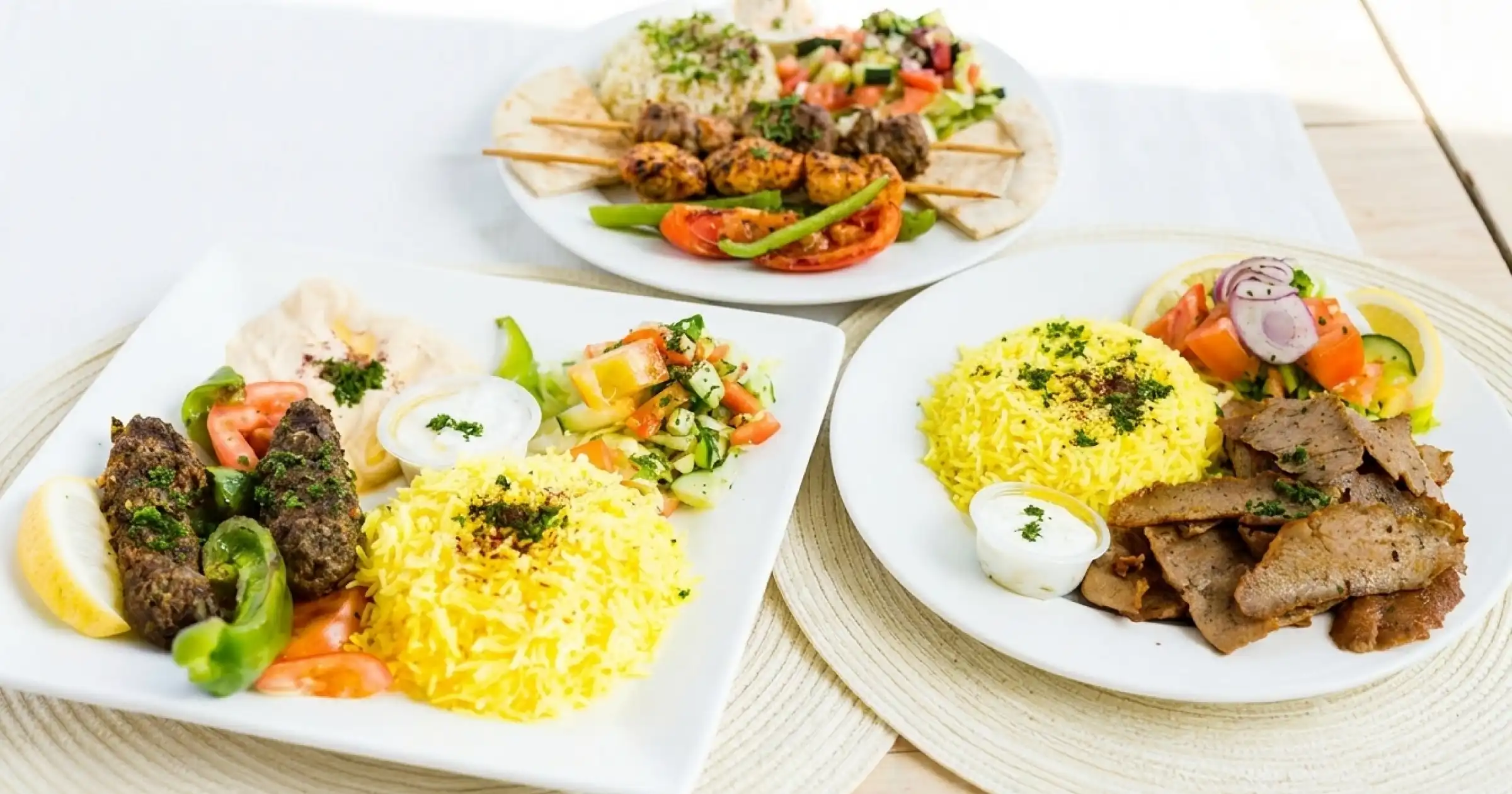
This is where Gaters’ platter format stands out from solo skewer service. Every platter at Gaters comes built with:
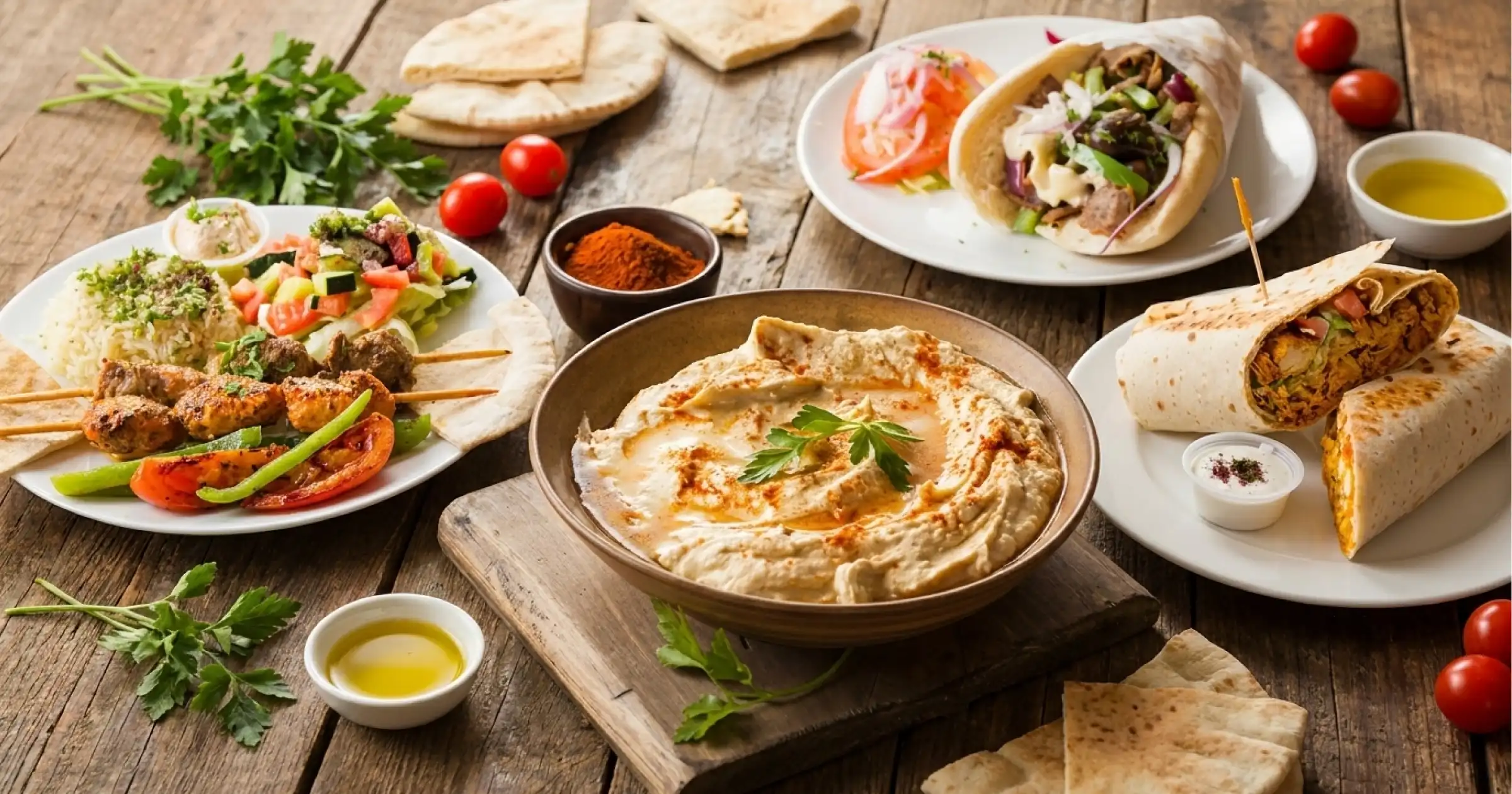
- Greek Salad — crisp cucumbers, tomatoes, onions, olives, and feta (where applicable), dressed simply and refreshing alongside the richness of the grilled meat
- Hummus — house-made, smooth and savory, essential for scooping with pita between bites
- Saffron Rice — not plain white rice, not flavored with bouillon. Saffron rice is fragrant, subtly golden, and a carbohydrate complement that carries the flavors of the kabob without competing with them
- Pita Bread — warm, soft, and functional: use it to scoop hummus, wrap a piece of kabob, or mop up the juices
This isn’t a stripped-down fast-casual bowl. It’s a complete meal designed around balance: protein, vegetables, grain, and a dipping element. Nutritionally, it’s also one of the healthier restaurant meals you can order — high protein, vegetables included, no heavy cream sauces.
Gaters’ Kabob Options: What’s on the Menu
The Gaters menu features kabob plates as its signature offering. The “5-star kabob plates” designation reflects their confidence in this category. You’ll find:
Chicken Platter — Halal-certified chicken, marinated and grilled. A lighter option that still delivers on flavor.
Kabob Plates — The full platter experience: marinated grilled meats, saffron rice, Greek salad, hummus, and pita. The flagship meal.
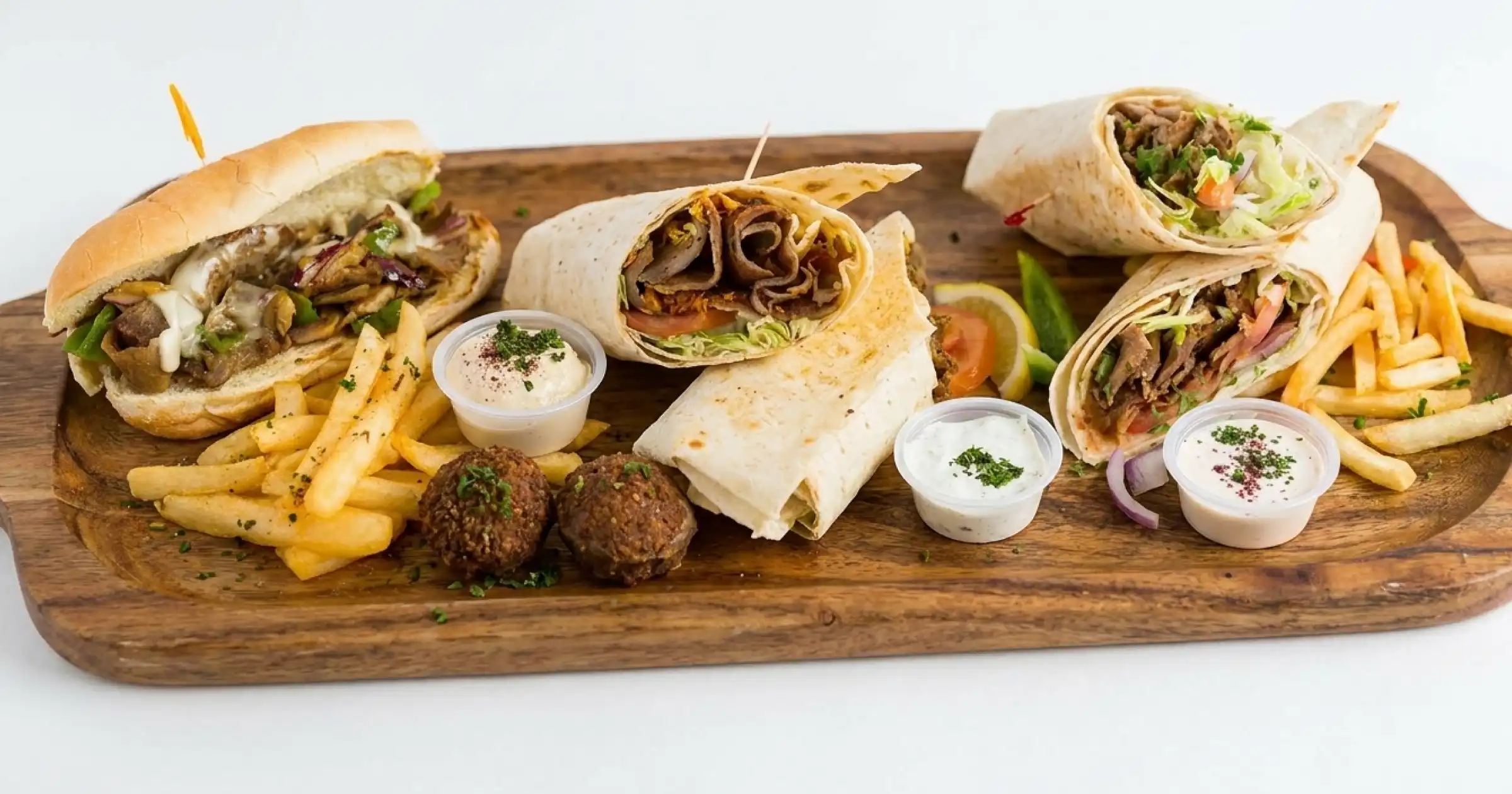
Gyros — A close cousin to the kabob tradition — spiced meat cooked on a vertical rotisserie, thin-sliced, wrapped or plated.
All proteins at Gaters are halal certified, using halal organic meats. For Muslim diners and anyone who prefers halal-sourced protein, this is a non-negotiable that Gaters has maintained since day one.
Why Halal Certification Matters for a Kabob Platter
Halal isn’t just a dietary label — it’s a comprehensive sourcing and preparation standard. Halal-certified meat requires humane animal treatment, proper slaughter methods, and no cross-contamination with non-halal ingredients. For Muslim diners, it’s a religious requirement. For non-Muslim diners who care about food sourcing, it’s also a quality signal.
Fremont has one of the most diverse populations in the Bay Area, with significant South Asian, Afghan, Middle Eastern, and Muslim communities. The demand for reliably halal, high-quality restaurants in Fremont is real and consistent. Gaters has served this community for over 30 years.
Vegetarian Options Alongside the Kabob Program
Not everyone at the table eats meat. Gaters accommodates vegetarian diners with:
- Falafel — crispy chickpea fritters, served as a platter or in a Falafel Deluxe Wrap
- Vegetarian Wraps — Mediterranean-style wraps with fresh vegetables and house sauces
- Veg Salad Burgers — a less common menu item in the Mediterranean category, showing range
- Dips and Sides — hummus, salads, and sides that work as a standalone vegetarian meal
The mixed-group friendliness of the menu is part of why Gaters works for office lunches, family dinners, and large gatherings.
How to Order Your First Kabob Platter
If you’re new to Gaters, here’s the practical guide:
- Order online at online-ordering.innowi.com/branch/gatersrestaurant for pickup — the fastest way to get your meal without a wait
- Walk in anytime from 10 AM to midnight — yes, midnight. Gaters is open later than nearly any other sit-down Mediterranean restaurant in Fremont
- For groups: Call ahead or order online with volume — the platter format scales easily for 4–10 people