The Question Every First-Time Visitor Asks
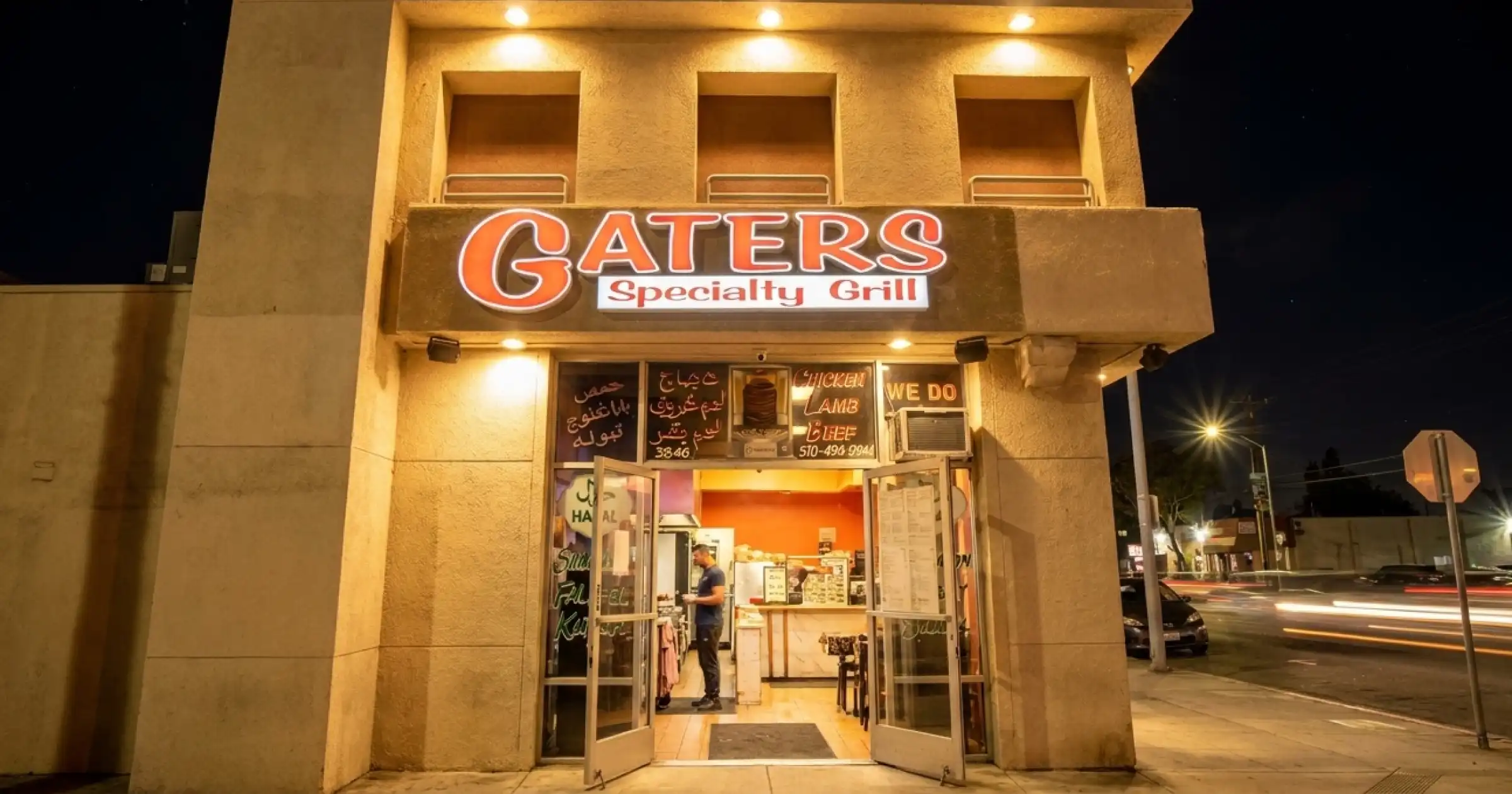
Walk up to almost any Mediterranean restaurant counter for the first time and there’s a good chance you’ll ask the same question: what exactly is falafel? It’s one of the most ordered, most photographed, and most misunderstood dishes in Mediterranean cuisine — and at Gaters, on Mowry Avenue in Fremont, it’s also the dish that proves the restaurant’s promise of “a menu for everyone” is more than a tagline.
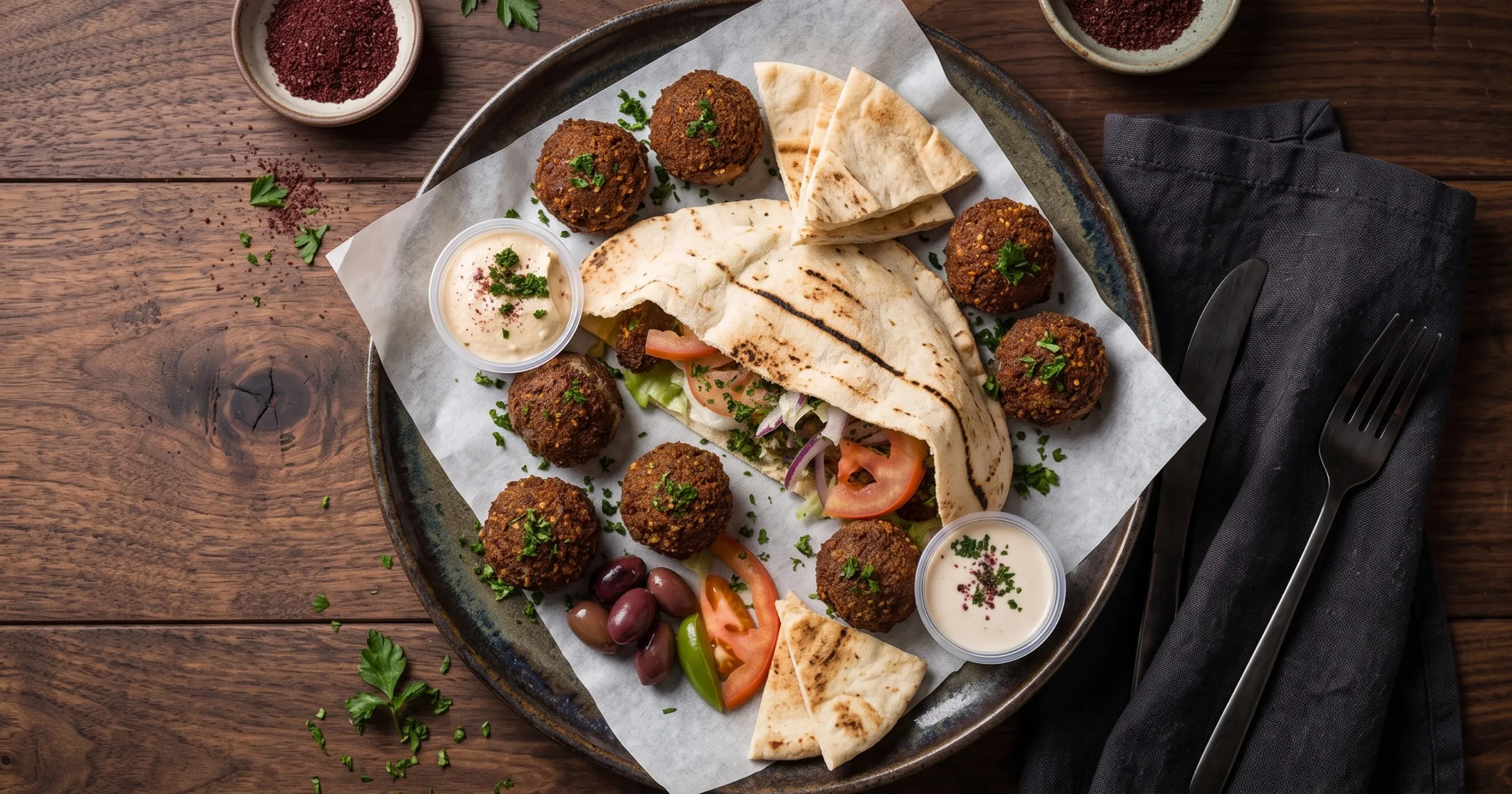
Falafel, at its simplest, is a deep-fried patty or ball made from ground chickpeas or fava beans, blended with fresh herbs — usually parsley and cilantro — along with garlic, onion, and a warm spice mix that typically includes cumin and coriander. The mixture is formed into small rounds, fried until the outside turns deeply golden and crisp, while the inside stays soft, herb-green, and slightly fluffy. Done right, a single falafel ball should crackle when you bite into it and then give way to something closer to a savory, spiced dumpling.
Where Falafel Comes From
Falafel’s exact origin is genuinely disputed among food historians — Egypt, the Levant, and various points across the Eastern Mediterranean all claim roots to the dish, and the truth is probably that it evolved across the region over a very long time rather than being invented in one single place. What’s not disputed is how central it became: falafel is now one of the most recognizable dishes across Mediterranean, Levantine, and Middle Eastern cuisine, served everywhere from street carts to sit-down restaurants, and it has become the default “what do vegetarians eat here” answer at countless Mediterranean grills — including ones, like Gaters, where the rest of the menu is built around halal-certified meat.
That dual identity — deeply traditional, but also the dish that makes a meat-forward menu inclusive — is exactly why falafel matters so much to how Gaters operates.
How Gaters Builds Its Falafel Wrap
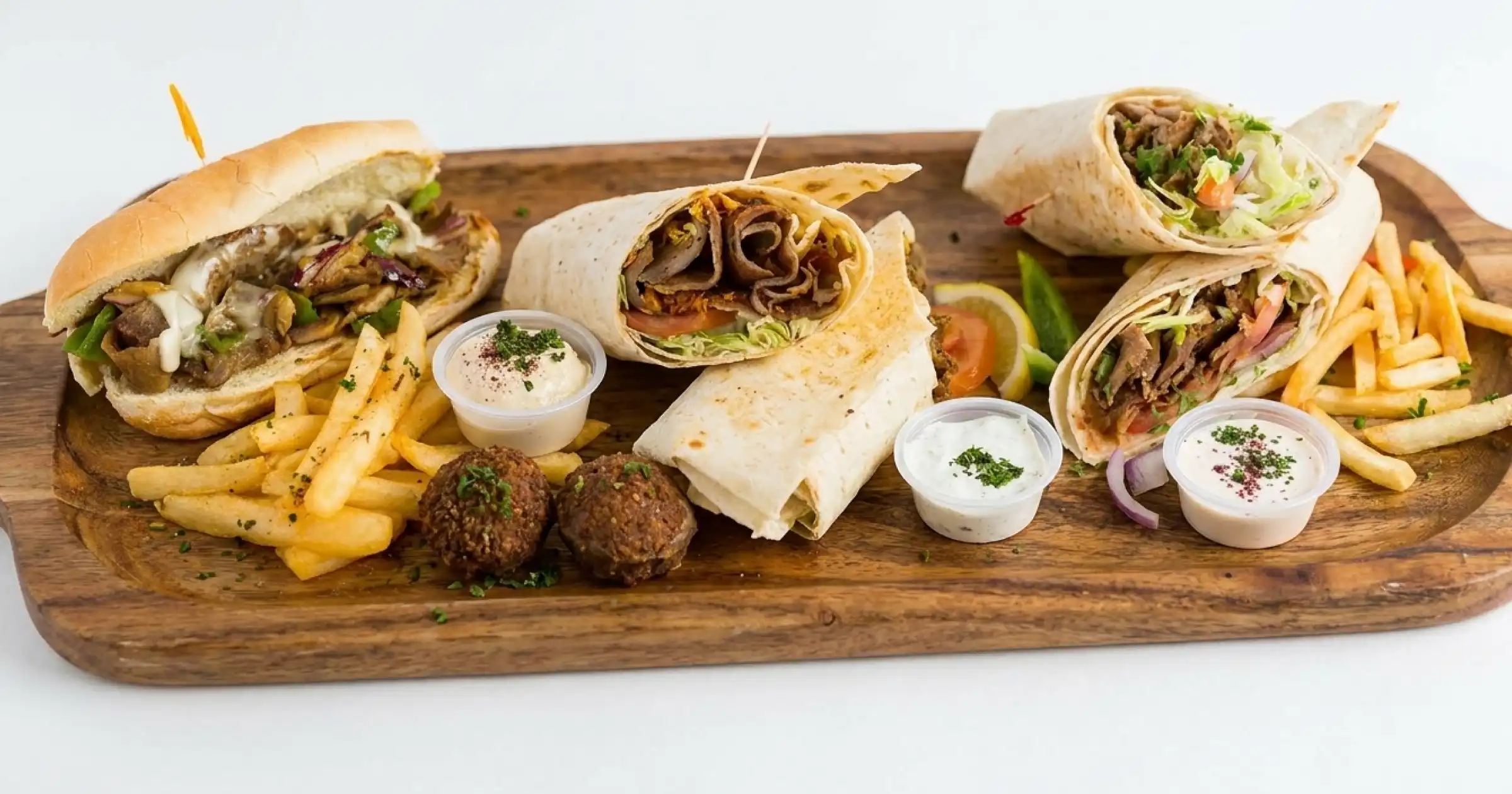
At Gaters, falafel shows up as the Falafel Wrap, one of the restaurant’s signature offerings and explicitly called out as a quick, vegan-friendly option for guests stopping in for a fast meal. The wrap takes the same crisp-outside, soft-inside falafel and rolls it into warm pita alongside fresh vegetables and the kind of bright, herb-forward sauces that define Mediterranean cooking — built to be eaten one-handed, on the move, without losing the textural contrast that makes falafel satisfying in the first place.
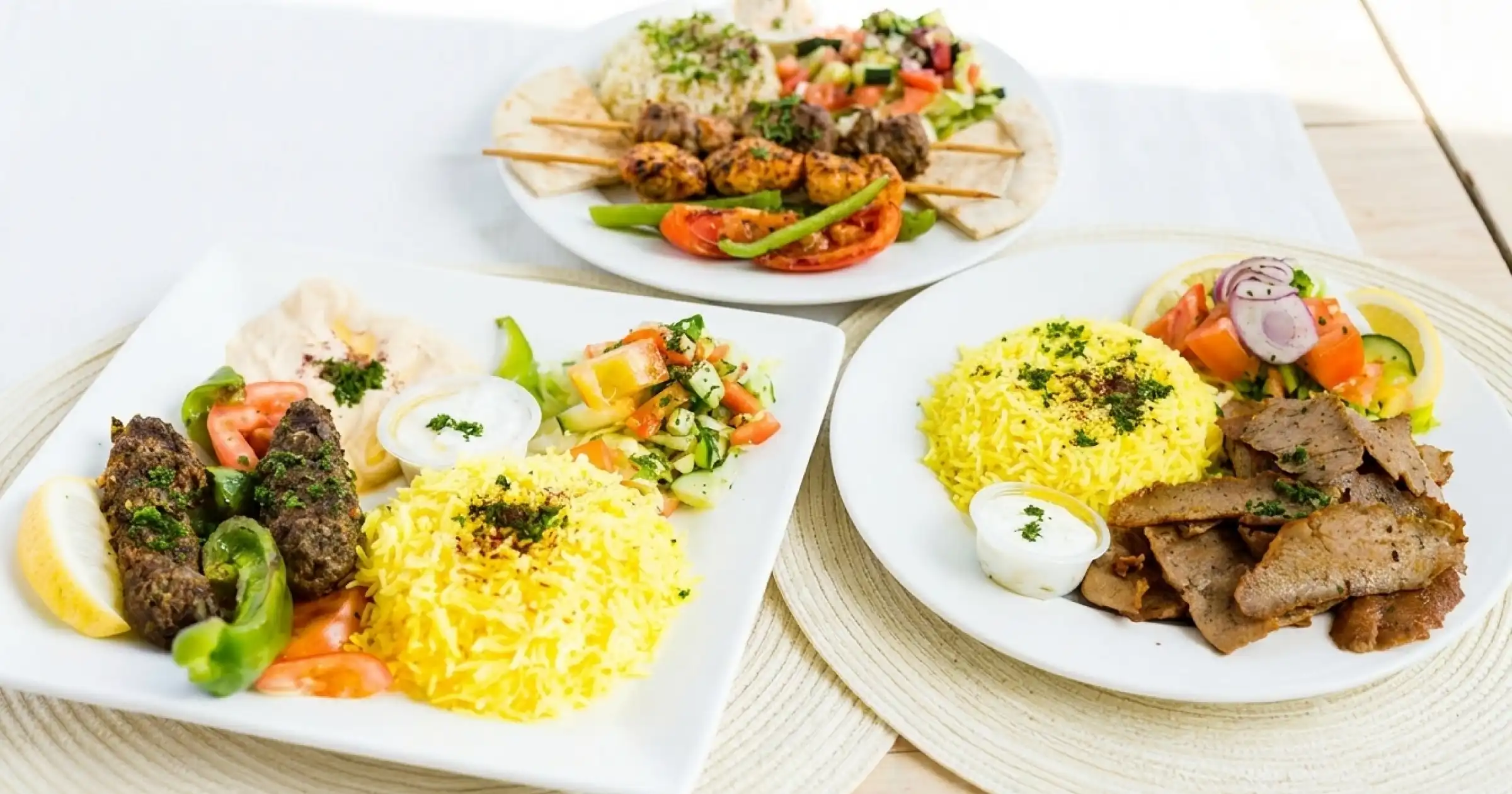
It’s a deliberately different format from the restaurant’s signature platters. Where the Chicken Platter, Gyros Platter, Combo Platter, and Chicken Garlic Platter are all built around the same base of Greek salad, hummus, saffron rice, and pita bread with a choice of two meats, the Falafel Wrap stands on its own — a fast, fully plant-based option that doesn’t require swapping out a meat component or asking the kitchen to leave something off. That distinction matters for vegan diners in particular, who are often used to restaurants that only offer vegetarian “accommodations” rather than genuine vegan dishes built from the ground up.
Why That Inclusivity Is the Real Story
Gaters describes its own kitchen philosophy directly: it’s designed to cater to diverse lifestyles, offering options for meat lovers, vegetarians, and vegans alike — and the falafel wrap is the clearest single proof of that claim on the menu. For a halal-certified restaurant, this inclusivity does double duty. It means a halal-observant vegan or vegetarian diner doesn’t have to choose between dietary values and plant-based preference; they get both from the same kitchen. And it means mixed groups — say, a vegan friend dining with a group ordering lamb kabob — can sit at the same table and order from the same menu without anyone needing to find a separate restaurant or settle for a side salad while everyone else eats a full meal.
This is also, practically speaking, why falafel travels so well into catering. Gaters’ catering menu explicitly lists Vegetarian Feasts alongside its Grilled Platter Trays and Flame-Grilled Kabobs, which means an office lunch, family gathering, or community event with mixed dietary needs can order a spread that includes falafel without scrambling to find a separate vegan caterer. One order, one kitchen, every guest covered.
What to Pair It With
Falafel’s bright, herb-heavy flavor profile pairs naturally with the same hummus, saffron rice, and Greek salad that anchor Gaters’ platters, so a simple way to build a fuller vegan meal is to add a side of hummus and pita alongside the Falafel Wrap, or to ask about a vegetarian-feast-style spread if ordering for a group. The crisp exterior of the falafel also holds up well against tangy, garlicky sauces, which is part of why it’s traditionally served with tahini-based dressings rather than anything heavy or creamy.
How to Order
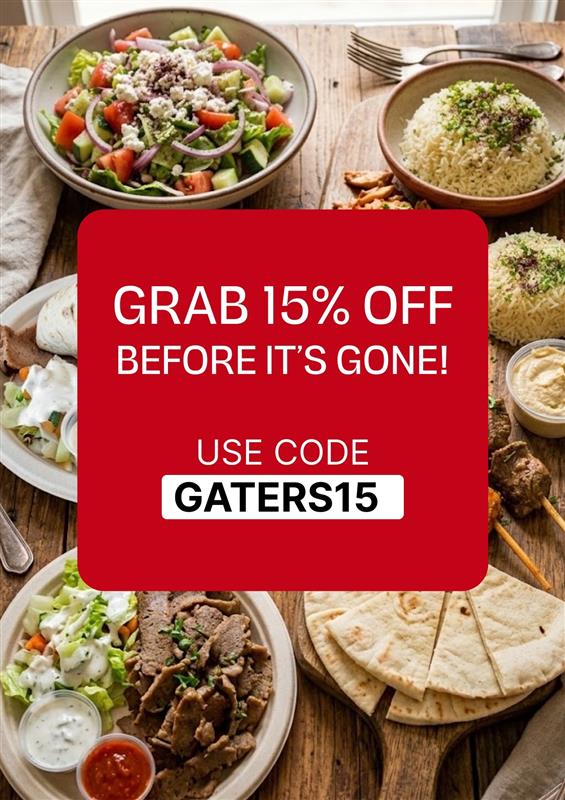
The Falafel Wrap and the rest of Gaters’ vegan and vegetarian options are available daily from 10:00 AM to 11:59 PM at 3846 Mowry Ave, Fremont. The fastest way to order is directly through Gaters’ online ordering platform, which currently offers 15% off with code GATERS15 — a meaningfully better deal than ordering the same wrap through a third-party delivery app.
Q&A Pairs:
Q: Is Gaters’ falafel vegan?
A: Yes — the Falafel Wrap is fully plant-based, made from herbed chickpea patties with no meat or animal products in the falafel itself.
Q: Is the Falafel Wrap halal?
A: It’s made in the same halal-certified kitchen as the rest of the menu, so there’s no cross-concern for halal-observant guests ordering it.
Q: Can I order a vegetarian platter for a group or event?
A: Yes — Gaters’ catering menu includes Vegetarian Feasts alongside its meat platters, so mixed-dietary groups can order from one menu. Call (510) 494-9944 to set it up.